
Choosing the right pair of shoes can make a huge difference in your everyday comfort. Whether you spend long hours at work, walk several kilometres each day, or travel frequently, uncomfortable footwear can lead to tired feet, blisters, and general discomfort. The right shoes should provide a balance of comfort, support, durability, and style.
There are many different types of shoes available today, which can make choosing the right one confusing. Running shoes, walking shoes, sneakers, loafers, boots, slip-ons, and trainers all have different purposes. Some are designed for movement and cushioning, while others focus more on professional appearance. The best choice depends on where you plan to wear them and how long you will be on your feet.
For people who need versatile footwear, it can be useful to have a few different styles rather than relying on one pair for everything. A comfortable walking shoe can be excellent for daily use, while loafers may be more appropriate for an office. Travel shoes should ideally be lightweight, supportive, breathable, and easy to wear for long periods.
Below are 10 of the best shoe types to consider for work, walking, and travel.
What Are the Best Shoes for Walking and Everyday Use?
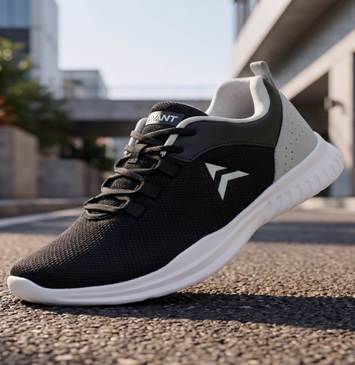
Walking shoes are designed specifically to provide comfort and support during regular walking. They are a great choice for people who spend a lot of time on their feet or walk frequently throughout the day.
1. Walking Shoes
Walking shoes are one of the best choices for everyday movement. They typically have cushioned midsoles, supportive soles, and breathable materials. Compared with casual fashion shoes, walking shoes are designed with comfort and repeated movement in mind.
A good walking shoe should fit comfortably without being too tight around the toes. Your heel should remain secure without excessive movement, while your toes should have enough room to move naturally.
Walking shoes are suitable for daily errands, commuting, shopping, casual outings, and regular walks. They can also be useful for people whose jobs require them to stand or walk for several hours.
When choosing walking shoes, pay attention to cushioning and flexibility. A shoe that is too stiff may feel uncomfortable during long walks, while one that is too soft may not provide enough support.
2. Running Shoes
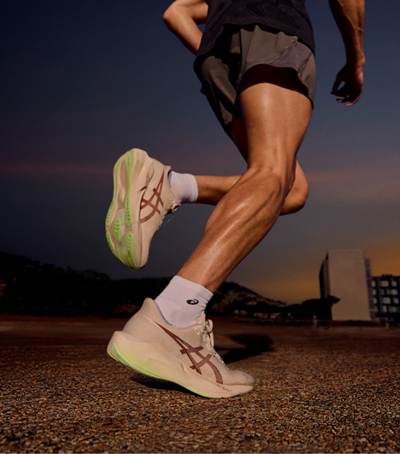
Although running shoes are designed primarily for running, many people use them for walking and everyday activities because of their cushioning and lightweight construction.
Running shoes can be especially useful if you walk long distances or spend several hours on your feet. Many models feature breathable mesh uppers that help improve airflow and reduce the feeling of hot feet.
The main thing to remember is that running shoes can have different designs depending on the type of running they are intended for. Some provide more cushioning, while others focus on speed and responsiveness. For everyday walking, choose a comfortable model rather than simply choosing a shoe because it is labelled as a running shoe.
Running shoes can also work well for travel because they are usually lightweight and versatile.
3. Sneakers
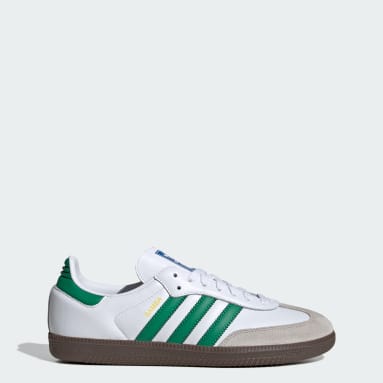
Sneakers are among the most versatile footwear choices available. They can be worn with jeans, casual trousers, shorts, and many everyday outfits.
A comfortable pair of sneakers can be useful for walking, shopping, commuting, college, and casual travel. Modern sneakers are available in countless designs, ranging from minimal styles to highly cushioned models.
For walking, look for sneakers with a comfortable footbed and a flexible outsole. Avoid choosing a pair based only on appearance. A stylish shoe that causes discomfort after an hour may not be a good everyday option.
Sneakers are particularly useful for people who want one pair that works across multiple casual situations.
4. Slip-On Shoes
Slip-on shoes are convenient because they do not require laces. This makes them especially useful when you are constantly taking your shoes on and off.
They can be a good choice for airport travel, casual outings, quick errands, and everyday use. Their simple design also makes them easy to pack in a suitcase.
When buying slip-on shoes, make sure they fit securely. A shoe that is too loose can move around while walking and may cause rubbing or blisters.
Some slip-ons have cushioned insoles and flexible soles, making them more suitable for longer periods of walking.
5. Walking Sandals
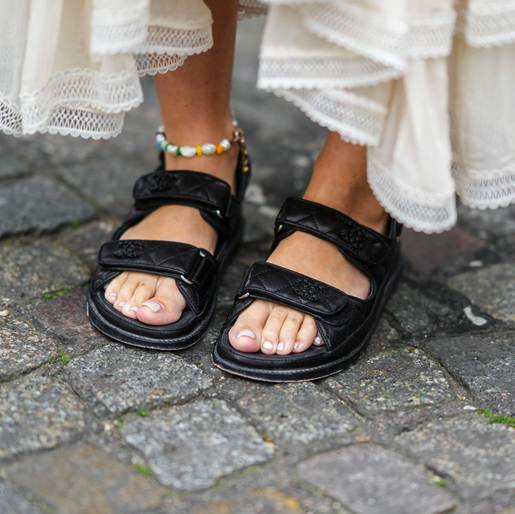
Walking sandals can be a practical option for warm weather and casual travel. Unlike ordinary sandals, walking sandals are generally designed with more supportive footbeds and soles.
They can be useful for sightseeing, beach holidays, casual walks, and summer travel. They also allow more airflow around the feet than closed shoes.
However, sandals may not provide the same protection as closed footwear. For long-distance walking over rough surfaces, a supportive walking shoe may be a better option.
Which Shoes Are Best for Work and Long Hours?
Work footwear needs to balance comfort with appearance. The best type depends on your workplace. An office environment may require formal shoes, while jobs involving standing or walking may benefit from cushioned footwear.
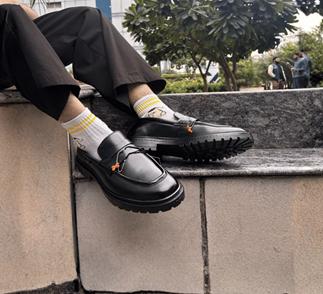
6. Loafers
Loafers are an excellent option for office environments and smart-casual outfits. They offer a polished appearance without the need for traditional laces.
They can be worn with formal trousers, chinos, and even some smart jeans. Leather and synthetic loafers are popular choices for professional settings.
If you spend long hours at work, choose loafers with a comfortable insole and a supportive sole. A hard, poorly cushioned loafer may look good but become uncomfortable after several hours.
For people who want a combination of convenience and professional style, loafers are one of the most practical options.
7. Oxford Shoes
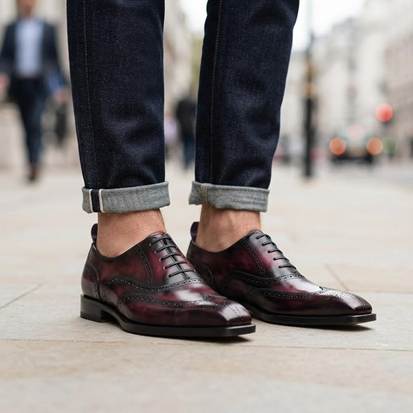
Oxford shoes are a classic choice for formal workplaces. Their traditional design makes them suitable for business meetings, formal events, interviews, and professional environments.
They generally have a more structured appearance than sneakers or loafers. However, traditional formal shoes may not offer as much cushioning as modern walking footwear.
If you need to wear Oxford shoes for long working hours, look for a pair with a cushioned footbed, comfortable lining, and a sole that provides reasonable flexibility.
A well-fitting Oxford shoe should feel secure without squeezing your toes. Choosing the right size is particularly important because formal shoes may be worn for many consecutive hours.
8. Work Boots
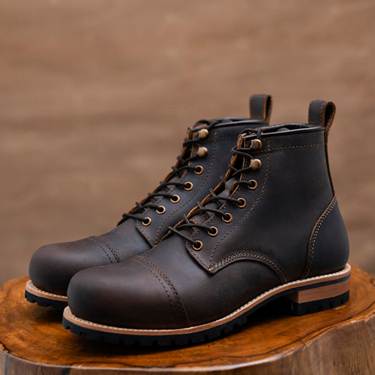
For people working in construction, warehouses, workshops, outdoor environments, or other physically demanding jobs, work boots can provide protection and durability.
Work boots are generally built to handle tougher conditions than ordinary casual shoes. Depending on the design, they may include features such as reinforced toe protection, durable outsoles, water resistance, and additional ankle support.
The right work boot depends heavily on the job. Someone working indoors may need a lightweight and breathable boot, while someone working outdoors may prioritize durability and water resistance.
Because work boots can be heavier than ordinary shoes, comfort should remain a major consideration. Choose a pair that fits properly and provides adequate support for the number of hours you spend working.
What Are the Most Comfortable Shoes for Travel?
Travel often involves more walking than people expect. Airports, railway stations, sightseeing locations, shopping areas, and hotel transfers can all involve spending long periods on your feet.
The best travel shoes should therefore be comfortable, lightweight, durable, and suitable for different situations.
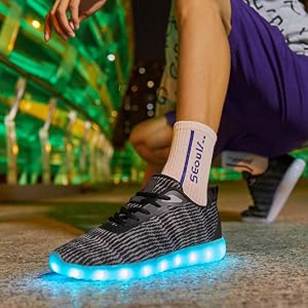
9. Lightweight Trainers
Lightweight trainers are a great option for travellers who want comfortable footwear without carrying a heavy pair of shoes.
They can work well for airport journeys, sightseeing, casual restaurants, shopping, and everyday walking. Many trainers are also breathable, which can be helpful when travelling in warm weather.
A versatile neutral-coloured pair can be particularly useful because it can match multiple outfits.
Before travelling, make sure you have already worn the shoes several times. Wearing a completely new pair during a holiday can increase the risk of blisters and discomfort.
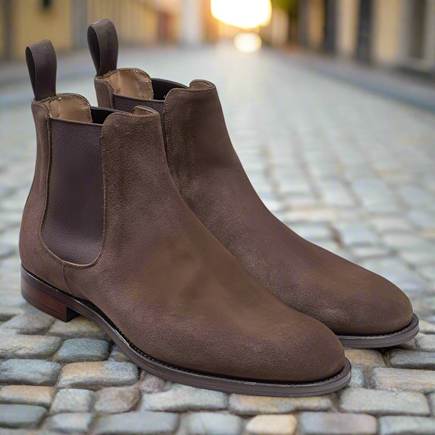
10. Chelsea Boots
Chelsea boots can be an excellent travel option when you want something more stylish than traditional sneakers. Their simple design works well with jeans, trousers, and smart-casual outfits.
They can be particularly useful during cooler weather or when travelling somewhere where you want a more polished appearance.
For comfortable travel, look for Chelsea boots with flexible soles and cushioned insoles. Avoid extremely stiff boots if you expect to walk long distances.
Chelsea boots can also be convenient because many designs can be put on and removed relatively easily.
How to Choose the Right Shoes for Your Needs
Choosing the right shoes is not only about selecting the right type. Fit, material, cushioning, weight, and durability all matter.
Start with the activity. If you walk frequently, prioritize comfortable walking shoes or supportive sneakers. If you work in a formal office, loafers or Oxford shoes may be more suitable. For physically demanding jobs, work boots may provide the protection you need.
Next, consider how long you will wear them. A shoe that feels comfortable for 30 minutes may not feel comfortable after eight hours. If you spend most of your day standing, look for good cushioning and adequate support.
Material is another important consideration. Mesh shoes tend to provide better airflow, while leather can offer a more polished appearance and durability. The best material depends on the climate and the environment where you will wear the shoes.
Weight is particularly important for travel. Heavy footwear can become tiring when you are walking throughout the day. Lightweight trainers or walking shoes can make sightseeing and commuting more comfortable.
Finally, consider durability. A slightly more expensive shoe can sometimes be better value if it lasts longer and remains comfortable over time.
Tips for Making Shoes More Comfortable
Even a good pair of shoes can become uncomfortable if it does not fit correctly. Always try shoes with the type of socks you normally plan to wear.
Leave some space around your toes and make sure your heel does not slip excessively. Walk around before buying the shoes if possible.
You should also avoid wearing completely new shoes for an entire day immediately. Wear them for shorter periods first so your feet can adjust and you can identify any uncomfortable areas.
Replacing worn-out insoles can sometimes improve comfort, but make sure the replacement insole fits correctly and does not make the shoe too tight.
Keep your shoes clean and dry. Moisture and dirt can affect both comfort and durability. Allow shoes to air out after long periods of use, particularly if you wear them every day.
Rotating between two or more pairs can also help. Giving shoes time to dry and recover between uses may help them maintain their shape and freshness.
Final Thoughts
The best shoes for work, walking, and travel depend on your lifestyle, workplace, walking habits, and personal preferences. There is no single shoe that is perfect for everyone.
Walking shoes are ideal for everyday movement, while running shoes and sneakers can provide versatility and cushioning. Slip-ons are convenient for quick outings and travel. For professional environments, loafers and Oxford shoes offer a more polished appearance. Work boots can provide additional protection for demanding jobs, while lightweight trainers and Chelsea boots can be useful travel options.
When buying footwear, always look beyond appearance. A good pair should fit properly, feel comfortable, provide suitable support, and match the activity you plan to perform.
If you regularly spend long hours on your feet, investing in comfortable footwear can make everyday life much easier. Whether you are heading to work, walking around your city, or exploring a new destination, the right shoes can help you stay comfortable while still looking stylish.
With the right combination of comfort, support, durability, and design, you can build a footwear collection that covers almost every part of your daily routine—from the office and morning walks to long journeys and weekend adventures.